FSA, HSA and Insurance for Braces: A Year-End Guide in Longview, TX
October 31st, 2026
If your FSA follows the calendar year, unused money may expire on December 31. Orthodontic insurance usually doesn't reset on January 1, and an HSA keeps its balance from year to year. If you're planning braces or Invisalign for yourself or your child, here's how year-end works and what to check with your plan. Mack & Hansen Orthodontics in Longview is in network with every insurance plan, and our insurance team is glad to help you sort it out.
Quick answers
- FSA: On a calendar-year plan, unused money may be lost after December 31, unless your plan offers a carryover (up to $680 into 2027) or a grace period (up to 2½ months).
- HSA: Your balance carries over from year to year.
- Orthodontic insurance: Usually a lifetime maximum, so it doesn't reset on January 1. Your regular dental maximum and deductible usually do.
- Your plan sets the details. Ask your HR team or plan administrator.
Do FSA funds expire on December 31?
For a calendar-year plan, usually yes. The IRS describes FSAs as generally "use-it-or-lose-it" plans, so money you haven't used by the end of the plan year is forfeited unless your employer's plan offers one of two options. A carryover lets you keep up to $680 from 2026 into 2027. A grace period gives you up to 2½ months after year-end, which for a calendar-year plan means as late as mid-March. A plan can offer a carryover or a grace period, not both, and your employer decides which one, if either. Some plans also set a deadline for turning in claims after the year ends, so ask. The IRS limit for a health FSA in 2026 is $3,400. The IRS had not yet announced the 2027 health FSA limit when we last updated this page, so check your employer's enrollment materials.
Can I use an HSA or FSA for braces and Invisalign?
Generally, yes. The IRS lists braces as dental treatment that counts as a medical expense, and HSA money can pay qualified medical expenses for you, your spouse and your dependents. Ask your plan administrator to confirm that clear aligners and retainers are covered too.
Also ask how your plan reimburses orthodontic payments. A health FSA generally reimburses only expenses incurred during your coverage period. Because orthodontic treatment is paid over time, plans differ: some reimburse as treatment is provided and others accept advance payments. Each plan chooses. If you pay us through our Patient Hub app, you can print HSA/FSA receipts from your phone.
To contribute to an HSA, you need a qualifying high deductible health plan. The IRS contribution limits are $4,400 (self-only) and $8,750 (family) for 2026, and $4,500 and $9,000 for 2027. Contributions for a tax year can generally be made until the tax filing deadline the following April.
Does orthodontic insurance reset on January 1?
Usually not. Orthodontic benefits are typically a lifetime maximum: the total a plan will pay toward orthodontic treatment, ever. Unlike an annual maximum, it doesn't renew each year. Your regular dental maximum and deductible are different, and they usually do reset. The State of Texas Dental Choice plan, for example, says its deductible resets each January 1, while its orthodontic benefit is a lifetime maximum per covered person.
Plans vary, so ask for your orthodontic lifetime maximum, the percentage the plan pays and whether there is an age limit. Some plans only cover children up to age 19.
Is every plan on the calendar year?
No. Some employers start their plan years on other dates, such as September 1, so your enrollment date and the date your dental maximum resets may not match. Federal employees, for example, choose their 2027 benefits during open season, November 9 through December 14, 2026, weeks before the new plan year starts.
How we help with the cost
- In network with every insurance plan. Being in network can lower your out-of-pocket cost compared with an out-of-network office, and our insurance team handles the paperwork.
- Low down payments. You can start without a big check up front.
- 0% interest payment plans, directly with us. No hidden fees, and you choose your monthly payment.
- Families. Ask our team about options when more than one person in your family is in treatment.
- HSA, FSA and CareCredit. All are accepted.
- A free consult. It includes 3D scans and x-rays, and you'll know your cost before you decide. If you're ready, we can put braces on or scan for Invisalign the same day. Just tell us when you book.
We treat children, teens and adults with metal, clear and gold braces and with Invisalign, and we're a Platinum Invisalign provider. See all of our payment options, or read about affordable Invisalign.
Questions families ask
Will I lose my FSA money on December 31? If your plan follows the calendar year, you may, unless it offers a carryover (up to $680 into 2027) or a grace period of up to 2½ months. Ask your HR team.
Does orthodontic insurance run out at the end of the year? Usually not. Orthodontic benefits are typically a lifetime maximum that doesn't reset each year. Your regular dental maximum and deductible usually do.
Can I use my HSA for braces or Invisalign? Generally, yes. The IRS lists braces as dental treatment that counts as a medical expense. Ask your plan administrator to confirm that aligners and retainers are covered too.
Do I need to start treatment before December 31? Usually not. Your orthodontic benefit usually doesn't expire at year-end, and we don't have a year-end deadline. If you have FSA money left, ask your plan how it handles orthodontic payments.
This is general information, not tax, legal or insurance advice. Plans and rules vary, so check with your plan administrator or HR team, and with a tax professional for tax questions. Last updated October 31, 2026.
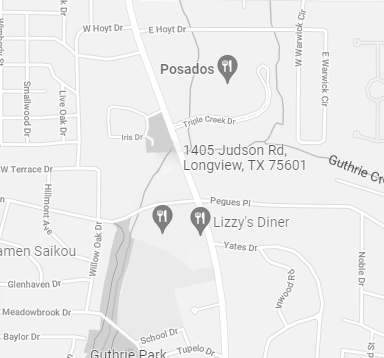
Book your free consult, or call or text (903) 212-7737. We're at 1405 Judson Rd, Longview, TX 75601, open Monday through Thursday 8 to 5 and Friday 8 to 1:30. Read what families say in our 850+ Google reviews.
Hablamos español. Llame o envíe un mensaje de texto al (903) 212-7737.