Spencer Mack, DDS
Andrew Hansen, DDS
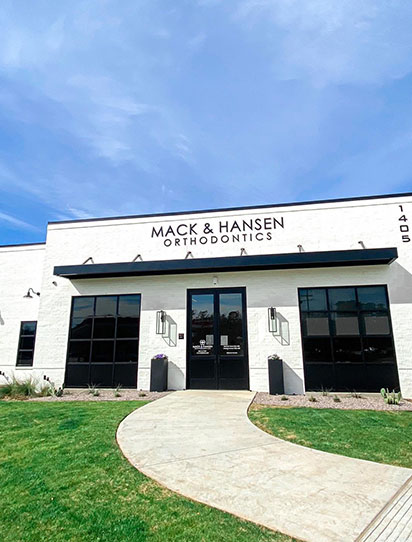
Mack & Hansen Orthodontics
Address:
1405 Judson Road
Longview, TX 75601
Phone: (903) 212-7737
Office Hours:
| Monday | 8:00am to 5:00pm |
| Tuesday | 8:00am to 5:00pm |
| Wednesday | 8:00am to 5:00pm |
| Thursday | 8:00am to 5:00pm |
| Friday | 8:00am to 1:30pm |
Directions to Mack and Hansen Orthodontics
Directions from Kilgore, TX (75662): Head north on US-259 to TX-31 E on into Longview.
Directions from Marshall, TX (75670): Head west from Marshall on US-80 and continue through Hallsville to TX-281 into Longview.
Directions from Gilmer, TX (75644): Head south on TX-300 for 21 miles.
The Complete Guide to Modern Orthodontic Treatment: 2026 Edition
Choosing to undergo orthodontic treatment is a significant decision that impacts your health, confidence, and quality of life. In 2026, the field of orthodontics has moved far beyond the "braces" of the past. Today, a modern orthodontist serves as a specialist in dentofacial orthopedics, utilizing artificial intelligence, 3D printing, and airway-focused diagnostics to create healthy, functional, and beautiful smiles.
This guide serves as a comprehensive resource for patients of all ages, covering everything from the science of tooth movement to the economics of 21st-century care.
1. The Science of the Smile: How Orthodontics Works
At its core, orthodontics is the study and management of how teeth move through bone. While the results look like magic, the process is pure biology.
The Biology of Bone Remodeling
When an orthodontist applies pressure to a tooth using a bracket or an aligner, a biological process called bone remodeling begins. On the side of the tooth where pressure is applied, specialized cells called osteoclasts break down bone tissue. On the opposite side, osteoblasts create new bone.
In 2026, we understand this process better than ever. We now use "light, continuous forces" rather than heavy pressure. This makes treatment more comfortable and protects the health of the tooth roots and surrounding gums.
Why You Need a Specialist
While many general dentists offer basic alignment services, an orthodontist is a dentist who has completed an additional 2–3 years of full-time residency. This training focuses exclusively on the physics of tooth movement and the growth of the facial skeleton. When you search for an "orthodontist," you are looking for a specialist trained to handle complex bites, jaw misalignments, and aesthetic "smile arc" design.
2. The 2026 Technology Revolution
The biggest change in orthodontics recently has been the transition from "analog" to "fully digital."
3. Intraoral Scanning: The End of Dental Putty
Gone are the days of biting into trays of goopy, gag-inducing putty. Modern offices use high-speed 3D intraoral scanners. These devices capture thousands of images per second to create a perfect digital "twin" of your mouth.
-
Accuracy: These scans are accurate to within microns, ensuring that clear aligners and custom braces fit perfectly.
-
Speed: A full scan takes less than two minutes.
AI-Driven Treatment Planning
Artificial Intelligence (AI) is now a standard tool in the orthodontic office. By analyzing your 3D scan against a database of millions of successful cases, AI software helps your orthodontist predict exactly how your teeth will move. This allows for "Outcome Simulation," where you can see your finished smile on a screen before you even start treatment.
3D-Printed Customization
We are in the era of "Bespoke Orthodontics." Instead of using standard, off-the-shelf brackets, many specialists now use 3D-printed custom brackets (like LightForce). These are designed specifically for the unique shape of each of your teeth, which often reduces treatment time and results in a more precise finish.
3. Treatment Options: Finding Your Best Fit
Modern patients have more choices than ever. Your orthodontist will help you choose the tool that fits your lifestyle and clinical needs.
Clear Aligner Therapy (Invisalign & More)
Clear aligners have revolutionized the industry. These removable, transparent trays are nearly invisible and allow you to eat whatever you want.
-
The 2026 Update: Newer "Smart-Track" materials are more resilient and move teeth more efficiently than older plastic designs.
-
Compliance: Success with aligners depends on wearing them 22 hours a day.
Modern Metal Braces
Don't think of these as "old school." Today’s metal braces are smaller, smoother, and more comfortable. They remain the "gold standard" for complex cases where maximum control over tooth roots is required.
Ceramic (Clear) Braces
Ceramic braces offer the power of traditional braces with the aesthetics of clear aligners. They are made of a translucent material that blends in with your tooth color, making them a popular choice for professionals and older teens.
4. Airway-Focused Orthodontics: Beyond Straight Teeth
In 2026, a top-tier orthodontist looks at more than just the "crowding" of your teeth; they look at your airway.
The Jaw-Breathing Connection
The roof of your mouth is also the floor of your nasal cavity. If your upper jaw is too narrow, your nasal passages may be constricted. This often leads to mouth breathing, which is linked to:
-
Poor sleep quality
-
Sleep apnea
-
Daytime fatigue and ADHD-like symptoms in children
By using Palatal Expanders in growing children, orthodontists can literally widen the airway, improving the patient's ability to breathe through their nose. This is why the "Age 7" screening is so critical—it’s about health, not just vanity.
5. Orthodontics for All Ages
It is a common myth that orthodontics is only for teenagers. In 2026, the patient demographic has shifted significantly.
Pediatric Orthodontics (Phase I)
Early intervention (around age 7-9) can prevent the need for jaw surgery or tooth extractions later in life. We focus on guiding the growth of the jaw to make room for adult teeth.
Teen Orthodontics
This remains the most common time for treatment, taking advantage of the "growth spurt" to achieve rapid results.
Adult Orthodontics: The "Silver" and "Platinum" Generations
Nearly 1 in 4 orthodontic patients today is an adult. With the rise of discreet options like Invisalign and clear braces, more adults are fixing issues they’ve had for decades.
-
Health Benefits: Straighter teeth are easier to clean, reducing the risk of gum disease and tooth loss as you age.
6. The Economics of Your New Smile
How much does an orthodontist cost in 2026? While prices vary based on complexity, the way people pay for treatment has become much more flexible.
Insurance and Lifetime Maximums
Most dental insurance plans have an "Orthodontic Lifetime Maximum." This is a one-time benefit (usually $1,500–$3,000) that is separate from your annual dental cleaning limit.
HSA and FSA Power
Because orthodontics is a medical necessity, you can use your Health Savings Account (HSA) or Flexible Spending Account (FSA) to pay for treatment with pre-tax dollars. This can effectively save you 20-30% on the total cost.
Zero-Interest Financing
Most modern practices offer in-house, interest-free payment plans. This allows families to spread the cost over 18 to 24 months, making a world-class smile fit into a monthly budget.
7. Life During Treatment: What to Expect
A common question for an orthodontist is: "How much will this change my life?"
Discomfort and Management
The first few days of any new appliance involve some soreness as the ligaments begin to stretch. In 2026, we recommend over-the-counter relievers and soft foods like smoothies and yogurt for the first 48 hours.
Oral Hygiene
Cleanliness is paramount. Whether you have braces or aligners, you must brush after every meal. Plaque buildup around brackets can lead to "white spot lesions" (permanent stains on the teeth). Modern tools like water flossers and electric toothbrushes with "ortho heads" make this easier than ever.
8. Retention: Protecting Your Investment
Your treatment isn't over when the braces come off. Teeth have a natural tendency to drift back to their old positions.
The Role of the Retainer
Retainers are for life. Whether it’s a clear removable tray or a "permanent" wire bonded behind your teeth, retention is the only way to ensure your 2026 smile stays perfect in 2046.
-
Night-time for a Lifetime: Most patients only need to wear their retainers while they sleep to maintain their results.
9. Frequently Asked Questions (FAQ)
How long does treatment take?
On average, 12 to 24 months. However, with AI-planning and 3D-customized brackets, some cases can be finished in as little as 6 to 9 months.
Do I still need to see my dentist?
Yes! Your orthodontist moves the teeth, but your dentist keeps them clean and healthy. You should continue regular cleanings every six months.
Are at-home "mail-order" aligners safe?
In 2026, the consensus among medical professionals is that "DIY" orthodontics carries significant risks. Without a specialist's physical exam and X-rays, moving teeth can lead to permanent bone loss, gum recession, and a collapsed bite.
10. Conclusion: Your Journey Starts Here
Finding the right orthodontist is the first step toward a healthier, more confident version of yourself. By combining the biological principles of the past with the AI-driven technology of the future, modern orthodontics offers a faster, more comfortable, and more precise experience than ever before.
Whether you are seeking treatment for your child or finally investing in the smile you’ve always wanted for yourself, the technology of 2026 is ready to help you achieve your goals.